
Introduction to Filipino Kare-Kare
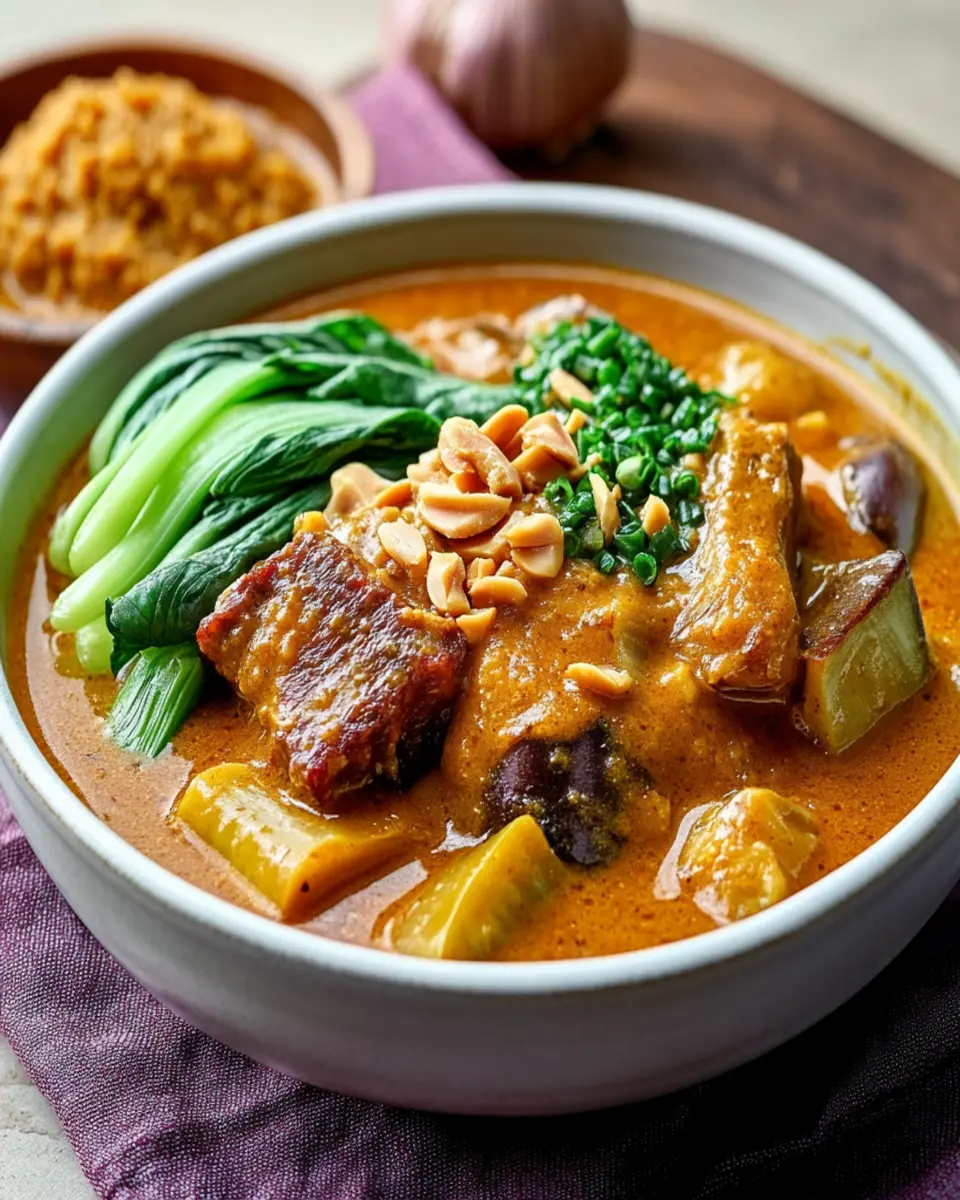
Filipino Kare-Kare is a beloved dish that embodies the rich culinary heritage of the Philippines. This hearty oxtail stew, enveloped in a creamy peanut sauce, is not just a meal; it’s a celebration of flavors and traditions. Whether served during special occasions or enjoyed on a quiet weeknight, Kare-Kare captures the essence of Filipino comfort food, inviting everyone to gather around the table.
The Heart of Kare-Kare
At the core of Kare-Kare is the tender oxtail, which lends a deep, rich flavor to the dish. The slow cooking process ensures that the meat becomes melt-in-your-mouth tender, while the peanut sauce adds a unique creaminess that sets this dish apart from other stews. The addition of vegetables like sitaw (string beans), eggplant, and banana hearts not only enhances the dish’s texture but also brings a vibrant color to the plate, making it visually appealing.
A Flavorful Experience
What truly makes Kare-Kare special is its pairing with bagoong, a fermented shrimp paste that adds a salty kick to the dish. This contrast between the rich, nutty sauce and the savory bagoong creates a flavor profile that is both complex and satisfying. Each bite offers a delightful experience, making it a favorite among both young professionals and families alike.
For those time-pressed individuals looking to recreate this classic dish, Kare-Kare is a rewarding culinary adventure that promises to impress. With its rich flavors and comforting essence, it’s no wonder that Filipino Kare-Kare holds a special place in the hearts of many.
Key Ingredients
Filipino Kare-Kare is a delightful dish that relies on a few key ingredients, each contributing to its unique flavor and texture. Here’s a closer look at what makes this stew so special.
Oxtail (2 pounds)
The star of Kare-Kare, oxtail is known for its rich flavor and tenderness. When slow-cooked, it becomes incredibly soft and succulent, providing a hearty base for the stew.
Peanut Butter (1 cup)
This ingredient is essential for creating the creamy, nutty sauce that defines Kare-Kare. The peanut butter adds depth and richness, making every bite satisfyingly indulgent.
Ground Rice (1/2 cup)
Ground rice serves as a thickening agent, giving the sauce its desired consistency. It also enhances the overall texture of the dish, ensuring a delightful mouthfeel.
Onion (1)
Chopped onions contribute a subtle sweetness and aromatic flavor when sautéed, forming a flavorful foundation for the dish.
Garlic (4 cloves)
Minced garlic adds a fragrant kick that complements the other ingredients beautifully, enhancing the overall savory profile of the stew.
Sitaw (String Beans) (1 bunch)
Sitaw provides a crisp texture and vibrant color, balancing the richness of the peanut sauce and adding a fresh element to the dish.
Eggplant (1 bunch)
Sliced eggplant absorbs the flavors of the sauce, becoming tender and delicious as it cooks, making it a perfect companion to the oxtail.
Banana Hearts (Puso ng Saging) (1 bunch)
These tender hearts add a unique flavor and texture, contributing to the dish’s complexity while being a traditional ingredient in Kare-Kare.
Water (4 cups)
Water is necessary for cooking the oxtail and creating the sauce, ensuring all the flavors meld together beautifully.
Fish Sauce (1 tablespoon)
Fish sauce adds a touch of umami, enhancing the overall flavor of the stew without overpowering the peanut sauce.
Salt (1 teaspoon)
Salt is essential for seasoning the dish, bringing all the flavors together and enhancing the taste of each ingredient.

Why You’ll Love This Recipe
Filipino Kare-Kare is not just a dish; it’s an experience filled with rich flavors and textures that will transport you to the heart of Filipino cuisine. This comforting oxtail stew, enveloped in a creamy peanut sauce, is perfect for both special occasions and casual dinners. Each bite delivers a unique combination of savory, nutty, and slightly sweet flavors that are nothing short of delightful.
A Culinary Adventure
What sets Kare-Kare apart is its blend of ingredients that work harmoniously together. The tender oxtail, paired with the creamy peanut sauce, creates a dish that’s both hearty and satisfying. The addition of fresh vegetables like sitaw (string beans) and eggplant not only enhances its nutritional value but also adds color and freshness to the plate. Plus, serving it with bagoong (fermented shrimp paste) elevates the flavors to new heights, making each meal memorable.
Perfect for Any Occasion
Whether you’re hosting a dinner party or simply enjoying a cozy night in, Kare-Kare is a crowd-pleaser. It’s a dish that brings people together, encouraging sharing and conversation around the table. Plus, it’s surprisingly easy to make, allowing you to whip up this Filipino classic without spending the whole day in the kitchen. With just a few simple steps, you can enjoy a rich, flavorful stew that feels like a warm hug on a plate!
In summary, if you’re looking for a dish that’s delicious, comforting, and full of culture, look no further than Filipino Kare-Kare. It’s a recipe you’ll want to save and share with friends and family!
Variations of Kare-Kare
Kare-Kare is a versatile dish that can be adapted to suit different tastes and dietary preferences. While the traditional version features oxtail and a rich peanut sauce, there are numerous variations that highlight the flexibility of this beloved Filipino stew.
Seafood Kare-Kare
A delightful alternative for seafood lovers, this variation uses shrimp, fish, or squid instead of oxtail. The seafood brings a fresh and light twist to the dish while still maintaining the creamy peanut sauce that defines Kare-Kare. This version pairs beautifully with the same vegetables and bagoong, offering a unique take that is just as satisfying.
Vegetarian Kare-Kare
For those looking for a meat-free option, vegetarian Kare-Kare is a fantastic choice. By substituting the oxtail with hearty vegetables such as mushrooms, tofu, or even jackfruit, this version remains rich and flavorful. The peanut sauce complements the vegetables perfectly, making it a delightful dish for both vegetarians and meat-eaters alike.
Regional Twists
Different regions in the Philippines also have their own take on Kare-Kare. For instance, some may add additional spices or local ingredients, like mango or chili, enhancing the flavor profile. These regional variations reflect the diversity of Filipino cuisine, showcasing how a traditional recipe can evolve while still honoring its roots.
No matter which variation you choose, Filipino Kare-Kare remains a beloved classic that brings warmth and joy to any meal.
Cooking Tips and Notes
Preparing Filipino Kare-Kare can be a rewarding experience, especially when you know a few helpful tips to elevate your dish. This rich oxtail stew is not only delicious but also allows for some creativity in the kitchen.
Achieving the Perfect Consistency
One of the most important aspects of Kare-Kare is getting the sauce just right. If you find the sauce too thick, feel free to add more water gradually until it reaches your desired consistency. Remember, the sauce should be creamy and coat the back of a spoon, so adjust accordingly.
Enhancing the Flavor
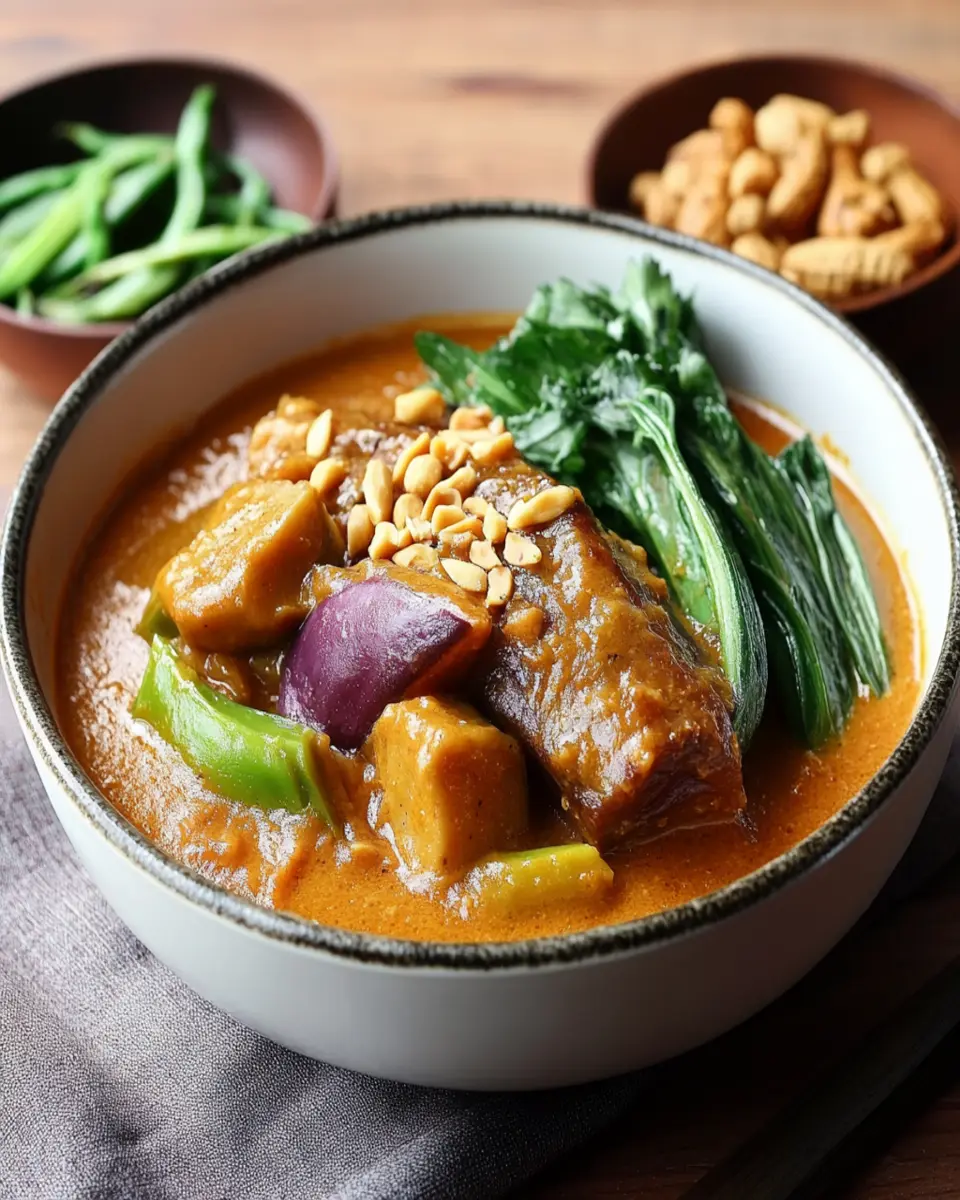
While the traditional recipe is already packed with flavor, consider experimenting with different types of vegetables. Adding bok choy or even sweet potatoes can provide a delightful twist. Also, don’t hesitate to taste and adjust the seasoning as you go, ensuring a perfect balance of flavors.
Serving Suggestions
Kare-Kare is best enjoyed hot and fresh, served alongside steamed rice and a generous side of bagoong (fermented shrimp paste). The salty kick from the bagoong beautifully complements the rich peanut sauce, making each bite a culinary delight. Sharing this dish with family or friends creates a wonderful dining experience, encouraging everyone to savor the flavors together.
With these tips, you’ll not only master the art of cooking Filipino Kare-Kare but also impress your loved ones with your culinary skills!
Serving Suggestions
Filipino Kare-Kare is best enjoyed with a variety of accompaniments that enhance its rich flavors and make for a fulfilling meal. The traditional pairing is steamed rice, which acts as a perfect base to soak up the creamy peanut sauce and tender oxtail. The contrast of textures and flavors creates a delightful dining experience that everyone will love.
Adding a Flavorful Side
To elevate your meal, consider serving Kare-Kare with bagoong (fermented shrimp paste) on the side. This salty, umami-packed condiment beautifully complements the nutty richness of the peanut sauce, offering an explosion of flavors that balances the dish perfectly. Some people even enjoy adding a squeeze of calamansi for a zesty twist!
Vegetable Medley
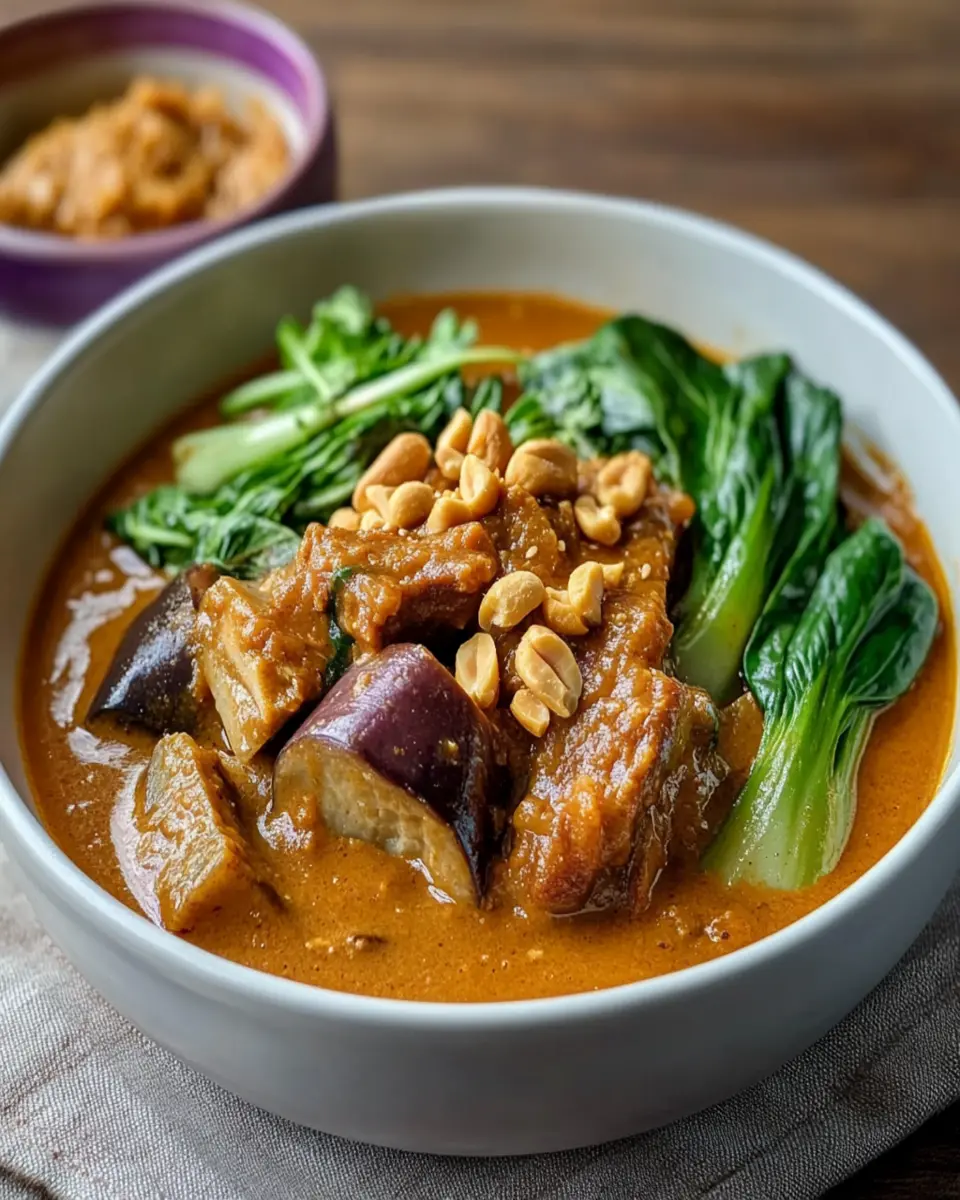
Incorporating extra vegetables can also enhance your serving experience. Alongside sitaw (string beans), eggplant, and banana hearts, you might add steamed or sautéed vegetables like bok choy or broccoli for added nutrition and color. This not only makes the dish visually appealing but also boosts its health benefits.
With these serving suggestions, you can create a well-rounded meal that showcases the deliciousness of Filipino Kare-Kare while allowing for personal touches that appeal to your taste buds.
Time Breakdown
Preparing Filipino Kare-Kare is a straightforward process that can fit into your busy schedule. Here’s a quick look at the time needed to create this delicious dish.
Preparation
Prep Time: 20 minutes
Gather and prepare all your ingredients, ensuring that your oxtail is ready for boiling and your vegetables are washed and sliced.
Cooking
Cook Time: 2 hours
The oxtail needs to be boiled until tender, which takes about two hours. This slow cooking allows the flavors to develop beautifully.
Total
Total Time: 2 hours 20 minutes
With just a little bit of planning, you can enjoy a rich and hearty Filipino Kare-Kare in a little over two hours. For efficiency, consider prepping your veggies while the oxtail is boiling.
Nutritional Facts
Understanding the nutritional profile of Filipino Kare-Kare can help you appreciate this hearty dish even more. Each serving (about one-sixth of the recipe) contains approximately 400 calories, making it a satisfying option for a main meal. With 25 grams of total fat, including healthy unsaturated fats, this dish provides a good source of energy.
The protein content is around 25 grams per serving, primarily from the oxtail, making it a filling choice for those looking to maintain or build muscle. Additionally, with 30 grams of carbohydrates and 5 grams of dietary fiber, Kare-Kare offers a balanced mix that can help keep you full longer.
Overall, Filipino Kare-Kare is not only delicious but also provides a hearty dose of nutrients, making it a great addition to your meal rotation.
FAQ on Kare-Kare
Filipino Kare-Kare is a beloved dish, but many people have questions about its preparation, ingredients, and variations. Here are some frequently asked questions to help you navigate this delicious recipe.
What is the origin of Kare-Kare?
Kare-Kare is a traditional Filipino dish that is believed to have originated from the Pampanga region. It is often associated with special occasions and celebrations, showcasing the rich culinary heritage of the Philippines.
Can I make Kare-Kare without oxtail?
Absolutely! While traditional Kare-Kare uses oxtail, you can substitute it with other proteins such as beef shank, pork, or even a vegetarian option like tofu or mushrooms. The peanut sauce and vegetable medley will still provide that signature flavor.
What vegetables can I use in Kare-Kare?
The classic recipe often includes sitaw (string beans), eggplant, and banana hearts. However, feel free to experiment with other vegetables like bok choy, carrots, or radishes to suit your taste preferences.
How should I serve Kare-Kare?
Kare-Kare is best served hot with a side of steamed rice and bagoong (fermented shrimp paste) for added flavor. This combination creates a well-rounded meal that highlights the dish’s rich, nutty flavors.
These FAQs should help you feel more confident in making Filipino Kare-Kare and customizing it to your liking!
Conclusion: Embracing Filipino Kare-Kare at Home
Filipino Kare-Kare is more than just a meal; it’s an invitation to experience the warmth of Filipino culture right in your kitchen. This rich and flavorful oxtail stew, with its creamy peanut sauce and vibrant vegetables, brings together family and friends, making it a perfect dish for any occasion.
By preparing Kare-Kare at home, you not only savor its delightful flavors but also create cherished memories as you gather around the table. Each step in the cooking process, from boiling the oxtail to simmering the sauce, allows you to connect with this beloved culinary tradition. Plus, the versatility of the dish means you can customize it to suit your taste, whether you choose to stick with the classic recipe or explore variations.
So why wait? Dive into the rich world of Filipino Kare-Kare and bring a taste of the Philippines to your home. Cook, share, and enjoy this hearty stew with your loved ones, and let the flavors inspire your culinary journey!
Print
Filipino Kare-Kare
- Total Time: 2 hours 20 minutes
- Yield: 6 servings 1x
- Diet: Gluten-Free
Description
Filipino Kare-Kare is a rich and flavorful oxtail stew made with a peanut sauce, often served with vegetables and bagoong (fermented shrimp paste).
Ingredients
- 2 pounds oxtail
- 1 cup peanut butter
- 1/2 cup ground rice
- 1 onion, chopped
- 4 cloves garlic, minced
- 1 bunch sitaw (string beans)
- 1 bunch eggplant, sliced
- 1 bunch banana hearts (puso ng saging)
- 4 cups water
- 1 tablespoon fish sauce
- 1 teaspoon salt
Instructions
- In a large pot, boil oxtail in water until tender.
- In a separate pan, sauté onion and garlic until fragrant.
- Add the boiled oxtail to the sautéed mixture.
- Mix in peanut butter and ground rice, stirring until incorporated.
- Add water and let it simmer to achieve a thick consistency.
- Add the vegetables and cook until tender.
- Serve hot with bagoong on the side.
Notes
- Adjust the consistency of the sauce by adding more water if needed.
- Pair with steamed rice for a complete meal.
- Prep Time: 20 minutes
- Cook Time: 2 hours
- Category: Main Dishes
- Method: Stewing
- Cuisine: Filipino
Nutrition
- Serving Size: 1 cup
- Calories: 400
- Sugar: 3g
- Sodium: 600mg
- Fat: 25g
- Saturated Fat: 6g
- Unsaturated Fat: 15g
- Trans Fat: 0g
- Carbohydrates: 30g
- Fiber: 5g
- Protein: 25g
- Cholesterol: 85mg