
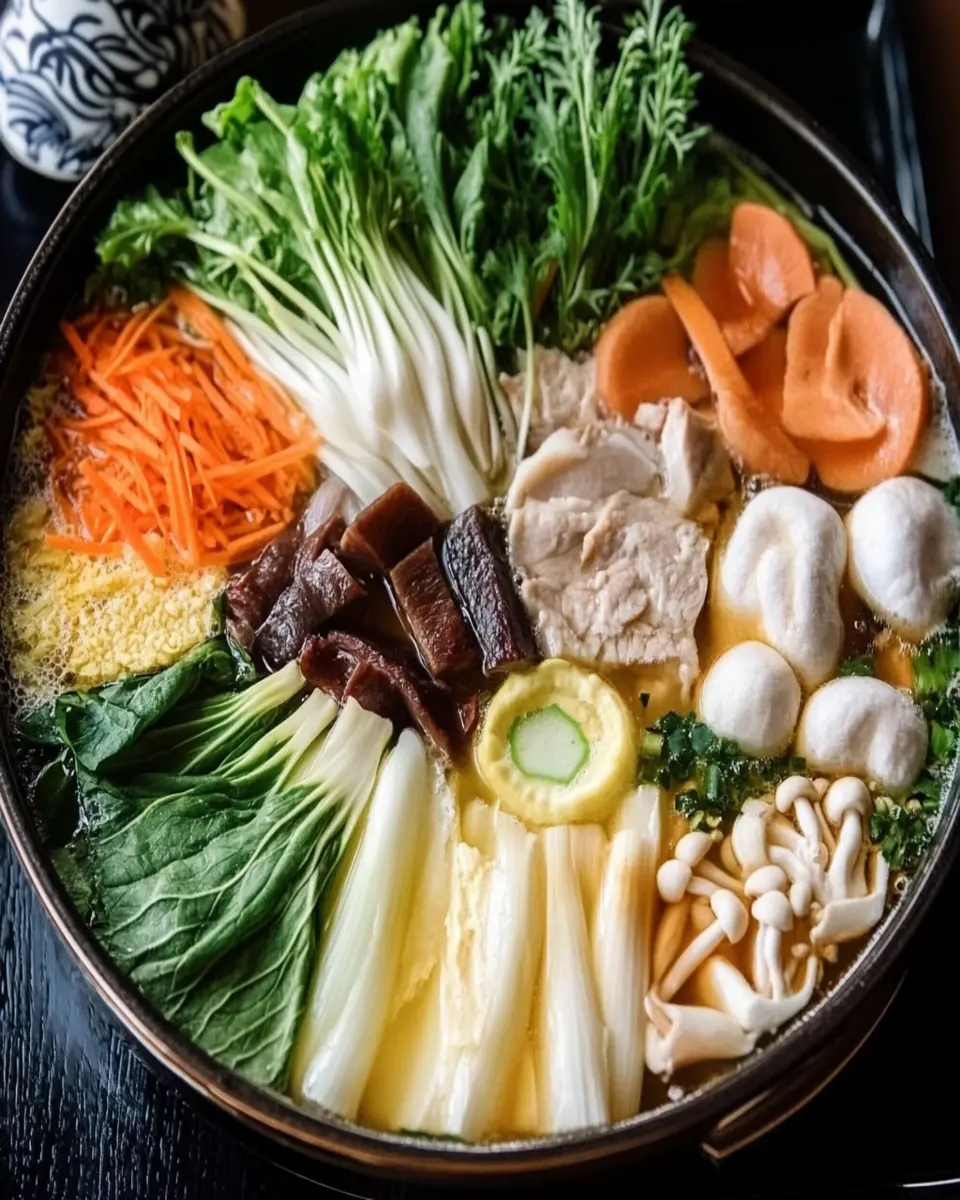
Introduction to Japanese Nabe Hot Pot
Japanese Nabe Hot Pot is more than just a meal; it’s a culinary experience that draws people together. Perfect for cold evenings or cozy gatherings, this comforting dish allows for a variety of ingredients to be shared and customized according to personal taste. Imagine sitting around a hot pot with friends or family, each person selecting their favorite ingredients to cook and savor.
The Essence of Nabe
At its core, Nabe refers to a style of cooking that involves simmering ingredients in a pot. The beauty of a Japanese Nabe Hot Pot lies in its flexibility; you can use a range of proteins and vegetables, making it a versatile option for everyone at the table. Whether you prefer tender beef, succulent chicken, or hearty tofu, there’s something for everyone.
A Communal Dining Experience
Nabe is more than just food; it’s about connection. The act of cooking together fosters conversation and camaraderie. As you dip your chopsticks into the bubbling broth, the anticipation builds, and each bite becomes a delicious reward. Plus, cooking at the table adds an interactive element, ensuring everyone is engaged in the meal.
In addition to being a delightful social activity, Nabe is also an opportunity to explore various flavors and textures. From the umami-rich dashi broth to the crispiness of fresh vegetables, each ingredient adds its own unique character to the pot.
So, next time you’re looking for a meal that brings people together, consider making Japanese Nabe Hot Pot. With its emphasis on sharing and personal preference, it’s a dish that invites creativity and enjoyment in every bite.
Key Ingredients
Dashi Broth (4 cups)
Dashi is a fundamental component of Japanese cuisine, providing a rich umami flavor that serves as the base for the Nabe. Made from kelp and bonito flakes, it’s light yet flavorful, enhancing the overall dish.
Beef or Chicken (1 pound)
Thinly sliced beef or chicken adds heartiness to the Nabe, allowing for quick cooking in the simmering broth. The choice of protein can easily be tailored to personal preferences, making it versatile for different tastes.
Tofu (1/2 pound)
Cubed tofu brings a creamy texture and absorbs the flavors of the broth beautifully. It’s also a fantastic plant-based protein option, perfect for vegetarians who want to enjoy Nabe.
Napa Cabbage (2 cups)
Chopped napa cabbage adds a crunchy texture and a mild sweetness to the hot pot. It cooks down quickly, becoming tender and flavorful when simmered in the broth.
Shiitake Mushrooms (1 cup)
Sliced shiitake mushrooms contribute an earthy flavor and a chewy texture, enriching the dish with both taste and nutrition. They are a staple in many Japanese dishes for good reason.
Green Onions (1 cup)
Cut into 2-inch pieces, green onions add a fresh, zesty touch to the hot pot. They can be added at the end for a burst of color and flavor.
Carrots (1 cup)
Thinly sliced carrots not only add sweetness but also vibrant color to the dish. They retain a nice crunch even after simmering, making them a delightful addition.
Mirin (1/2 cup)
Mirin is a sweet rice wine that adds depth and sweetness to the broth, balancing the savory elements. It’s a key ingredient that elevates the overall flavor profile of the Nabe.
Soy Sauce (1/4 cup)
Soy sauce adds saltiness and a rich, savory depth to the broth, enhancing the umami experience. It’s essential for achieving the right balance of flavors in this dish.
Sesame Oil (1 tablespoon)
Just a drizzle of sesame oil imparts a nutty aroma and flavor, making the broth even more aromatic and appealing. It’s the finishing touch that elevates the entire dish.
These key ingredients work harmoniously to create a delicious and comforting Japanese Nabe Hot Pot that everyone can enjoy.

Why You’ll Love This Recipe
Japanese Nabe Hot Pot is a delightful dish that embodies the essence of comfort food, making it perfect for any gathering. It’s not just about the delicious flavors; it’s the experience of cooking and sharing that truly sets it apart. Imagine sitting around the table with friends or family, everyone participating in the preparation and cooking, creating an atmosphere of warmth and connection.
Customizable and Adaptable
One of the best aspects of this recipe is its versatility. You can easily customize it with your favorite ingredients, whether you prefer different vegetables or proteins. This means that it can cater to various dietary preferences or restrictions, making it suitable for everyone. Plus, it’s an excellent way to use up leftover ingredients in your fridge!
Quick and Easy Preparation
For busy young professionals, this dish is a lifesaver. With a total preparation and cooking time of just 35 minutes, it’s a quick meal that doesn’t compromise on flavor. The straightforward instructions make it easy to whip up a satisfying dinner on a weeknight without spending hours in the kitchen.
Japanese Nabe Hot Pot is not just a meal; it’s a perfect blend of flavor, fun, and flexibility, making it an ideal choice for any occasion. You’ll love how it brings people together and offers a unique dining experience.
Variations
Japanese Nabe Hot Pot is an incredibly versatile dish that invites creativity. While the traditional recipe is delicious on its own, there are numerous variations to explore, allowing you to tailor the dish to your personal preferences or seasonal ingredients.
Seafood Nabe
One popular variation is to incorporate seafood such as shrimp, scallops, or fish. These ingredients cook quickly and add a different flavor profile to the broth. Seafood nabe is perfect for those who enjoy a lighter, ocean-inspired taste while still indulging in the communal cooking experience.
Vegetarian and Vegan Options
For those following a vegetarian or vegan diet, you can easily substitute meat with a variety of vegetables and plant-based proteins. Consider using mushrooms, eggplant, or additional tofu. You can also enhance the broth with miso or vegetable stock instead of dashi for a flavorful base that complements the fresh ingredients.
Regional Variations
Different regions in Japan have their own unique takes on nabe. For instance, Yudofu, a Kyoto specialty, highlights tofu and minimalistic flavors, while Chanko Nabe, favored by sumo wrestlers, is heartier and includes a variety of meats and vegetables. Exploring these regional variations can offer a deeper appreciation for the dish’s cultural significance.
With so many possibilities, Japanese Nabe Hot Pot can be adapted to suit any occasion, making it a delightful centerpiece for gatherings and family meals.
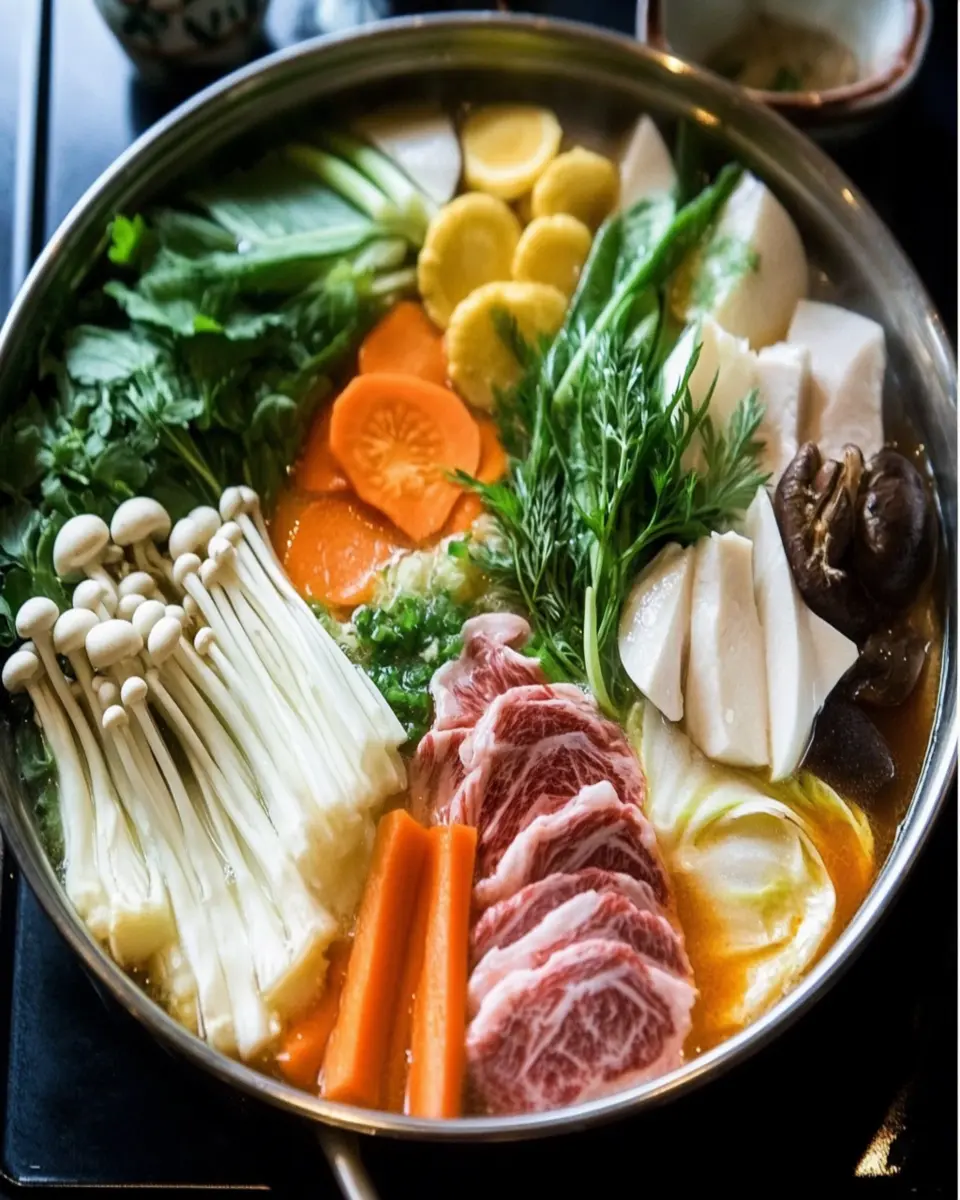
Cooking Tips and Notes
Japanese Nabe Hot Pot is not only a delicious dish but also a fun cooking experience that can be enhanced with a few tips. Here are some helpful notes to ensure your Nabe turns out perfectly.
Preparation is Key
Before you start cooking, make sure all your ingredients are prepped and ready to go. Thinly slice your meat and chop your vegetables ahead of time. This will help everything cook evenly and allow you to focus on enjoying the cooking experience with your guests.
Broth Matters
The flavor of your Nabe largely depends on the broth. Using high-quality dashi will significantly enhance the overall taste. If you have time, consider making your own dashi from scratch for the freshest flavor. Alternatively, store-bought dashi can also work well in a pinch.
Cooking Order
When adding ingredients to the pot, start with the protein first, as it takes longer to cook. Follow up with the tofu and then the vegetables, which usually cook quickly. This method ensures everything is tender and perfectly cooked by the time you’re ready to serve.
Japanese Nabe Hot Pot is not just a meal but a social gathering. Enjoy the process and don’t hesitate to experiment with different ingredients to make it your own!
Serving Suggestions
Japanese Nabe Hot Pot is as much about the experience as it is about the flavors. To elevate your serving experience, consider a few delightful accompaniments that complement the dish perfectly.
Side Dishes
Adding a couple of simple side dishes can enhance the meal. Try serving pickled vegetables or a light salad to balance the richness of the hot pot. These sides add a refreshing crunch and contrast to the warm, simmering ingredients.
Dipping Sauces
Offer a variety of dipping sauces for your guests to personalize their Nabe experience. A simple soy sauce mixed with a splash of citrus or a spicy sesame sauce can add an extra layer of flavor. Encourage your guests to explore different combinations!
Rice or Noodles
Consider serving steamed rice or dipping noodles alongside the hot pot. These carbohydrates not only make the meal more filling but also help soak up the delicious broth. It’s a fantastic way to round out the meal and ensure everyone leaves satisfied.
With these serving suggestions, your Japanese Nabe Hot Pot will not only be a meal but a memorable dining experience!
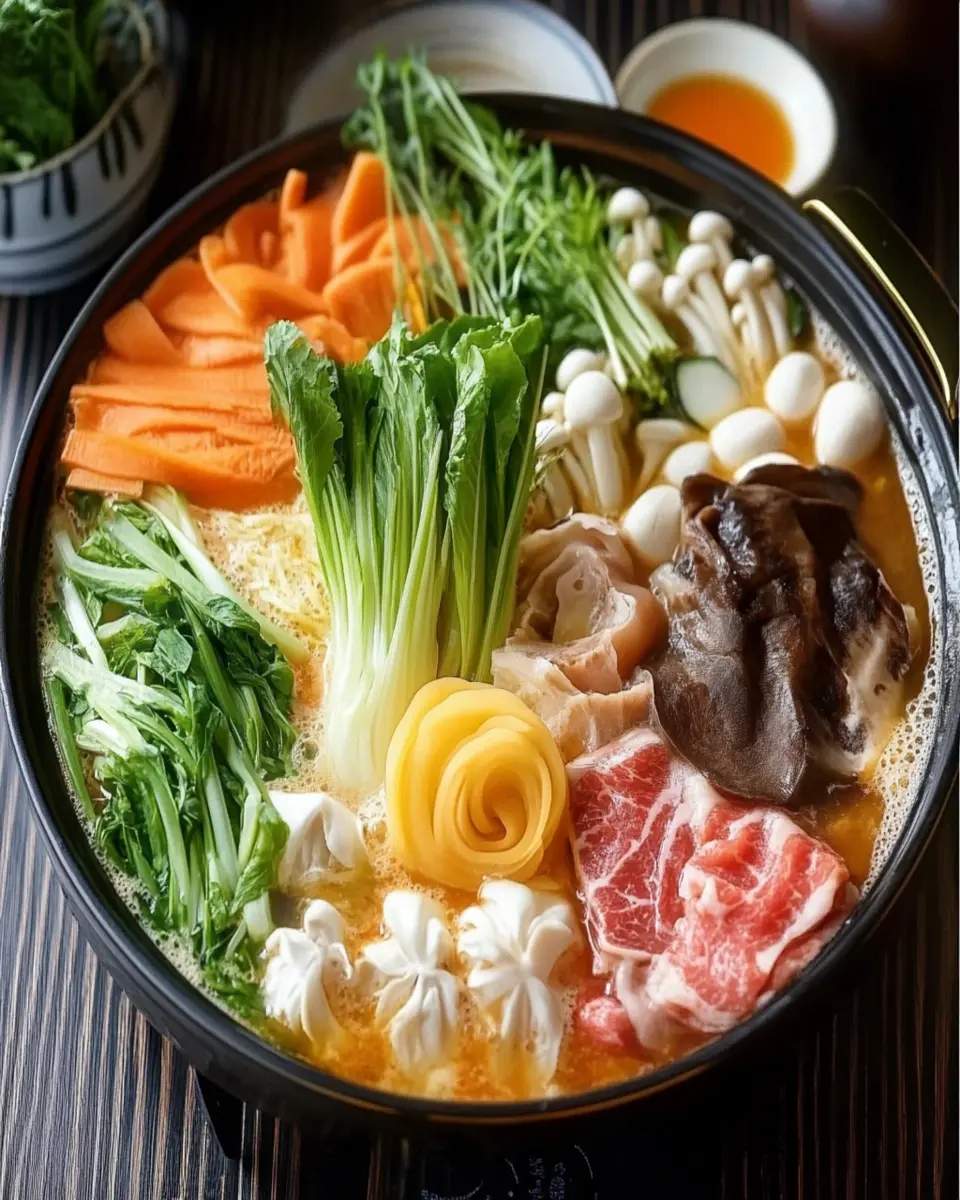
Time Breakdown
When preparing Japanese Nabe Hot Pot, understanding the time commitment can help streamline your cooking experience. Here’s a quick breakdown of the time involved:
Preparation
Prep Time: 15 minutes
Get your ingredients ready by slicing, chopping, and cubing to ensure a smooth cooking process.
Cooking
Cook Time: 20 minutes
Once your ingredients are prepped, the actual cooking time is quick as they simmer together in the flavorful dashi broth.
Total
Total Time: 35 minutes
With just 35 minutes from start to finish, this dish is perfect for busy weeknights.
Efficiency Tip: To save time, consider prepping your ingredients the night before, so you can enjoy a delicious dinner with minimal hassle.
Nutritional Facts
Japanese Nabe Hot Pot is not only a delightful dish but also a nutritious choice for a meal. Each serving provides a balanced combination of proteins, carbohydrates, and healthy fats, making it a hearty option for any occasion.
Nutritional Breakdown
A typical serving contains approximately 450 calories, which is quite reasonable for a main dish. With 30 grams of protein, it supports muscle health and keeps you feeling full. Additionally, it has 35 grams of carbohydrates, providing energy for your day.
In terms of fats, there are about 20 grams per serving, including 5 grams of saturated fat and 10 grams of unsaturated fat. The dish is also relatively low in sugar, with only 3 grams, and includes important nutrients like 4 grams of fiber, which aids digestion. Overall, Japanese Nabe Hot Pot is a delicious and nutritious option that highlights the health benefits of fresh ingredients.
FAQs (People Also Ask)
What is Japanese Nabe Hot Pot?
Japanese Nabe Hot Pot is a comforting dish that involves simmering various ingredients such as meats, vegetables, and tofu in a flavorful broth. It is a communal dining experience, perfect for sharing among family and friends.
How do you customize Nabe?
You can customize Nabe by choosing your favorite proteins and vegetables. Common choices include chicken, beef, seafood, and a variety of vegetables like mushrooms, carrots, and greens. This flexibility allows you to tailor the dish to suit your taste preferences.
Can Nabe be made vegetarian?
Yes, Nabe can easily be made vegetarian by using vegetable broth instead of dashi and incorporating a variety of plant-based ingredients like tofu and assorted vegetables. This makes it a versatile dish for different dietary needs.
How long does it take to prepare Nabe?
Preparing Japanese Nabe Hot Pot typically takes about 15 minutes for prep and 20 minutes for cooking, totaling around 35 minutes. It’s a quick and satisfying meal option for busy weeknights.
Conclusion to Homemade Japanese Nabe Hot Pot
Japanese Nabe Hot Pot is not just a meal; it’s a delightful experience that fosters connection and warmth among diners. With its customizable ingredients and rich flavors, it caters to various tastes and dietary preferences, making it perfect for any occasion. This comforting dish is quick to prepare, taking only about 35 minutes from start to finish, and it invites creativity in the kitchen. Whether you’re enjoying a cozy night in or hosting a gathering, Nabe is sure to impress. Don’t hesitate to try this recipe, share it with friends, and make lasting memories around the table!
Print
Japanese Nabe Hot Pot
- Total Time: 35 minutes
- Yield: 4 servings 1x
Description
A comforting Japanese hot pot dish, perfect for sharing and customizing with a variety of ingredients.
Ingredients
- 4 cups dashi broth
- 1 pound thinly sliced beef or chicken
- 1/2 pound tofu, cubed
- 2 cups napa cabbage, chopped
- 1 cup shiitake mushrooms, sliced
- 1 cup green onions, cut into 2-inch pieces
- 1 cup carrots, thinly sliced
- 1/2 cup mirin
- 1/4 cup soy sauce
- 1 tablespoon sesame oil
Instructions
- In a large pot, bring the dashi broth to a simmer.
- Add the mirin, soy sauce, and sesame oil.
- Begin adding the ingredients starting with the beef or chicken, allowing it to cook briefly.
- Add the tofu, vegetables, and mushrooms, cooking until tender.
- Serve hot, allowing diners to take ingredients directly from the pot.
Notes
- Customize with your favorite vegetables and proteins.
- Use a portable burner for table-side cooking for a fun experience.
- Prep Time: 15 minutes
- Cook Time: 20 minutes
- Category: Main Dish
- Method: Simmering
- Cuisine: Japanese
Nutrition
- Serving Size: 1 bowl
- Calories: 450
- Sugar: 3g
- Sodium: 900mg
- Fat: 20g
- Saturated Fat: 5g
- Unsaturated Fat: 10g
- Trans Fat: 0g
- Carbohydrates: 35g
- Fiber: 4g
- Protein: 30g
- Cholesterol: 55mg