
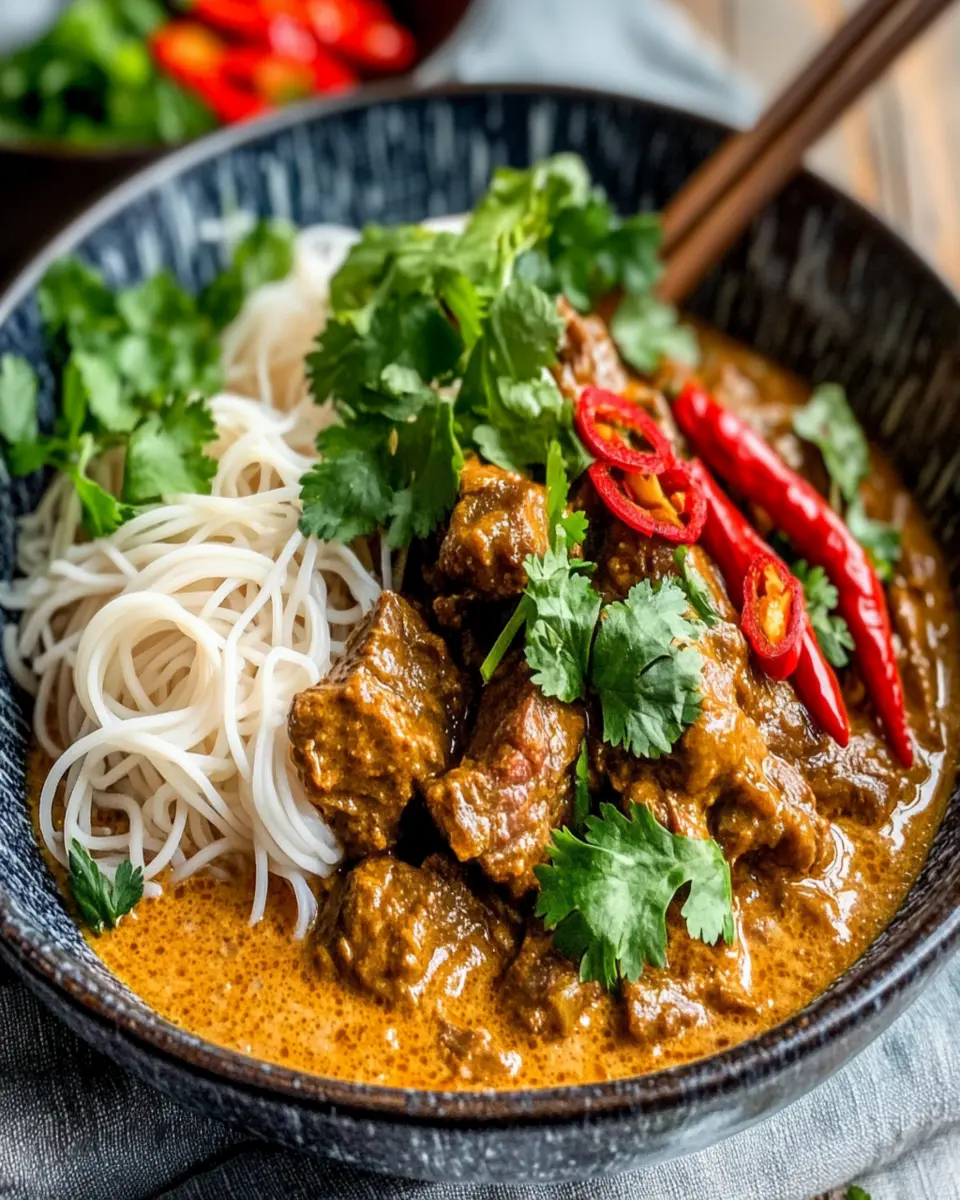
Introduction to Malaysian Rendang with Shirataki Noodles
Embark on a culinary journey with Malaysian Rendang with Shirataki Noodles, a dish that brings together the rich, aromatic flavors of traditional Malaysian cuisine while offering a low-carb option for health-conscious food lovers. This delightful recipe showcases tender beef simmered to perfection in coconut milk, infused with lemongrass and kaffir lime leaves, and served over Shirataki noodles, making it an ideal meal for busy young professionals who crave homemade goodness without the guilt.
The Allure of Rendang
Rendang is not just a dish; it’s a celebration of flavors and textures, originating from the Minangkabau ethnic group of Indonesia but cherished throughout Malaysia and beyond. The slow-cooked beef absorbs the complex spices and becomes incredibly tender, creating a comforting dish that warms the soul. The addition of Shirataki noodles introduces a unique twist, providing a satisfying texture without the carbohydrates typically found in traditional noodle dishes.
Why Shirataki Noodles?
Shirataki noodles are a fantastic alternative for those looking to cut back on carbs without sacrificing flavor or satisfaction. Made from konjac yam, these noodles are low in calories and high in fiber, making them a guilt-free choice. They soak up the delicious flavors of the rendang sauce, ensuring every bite is as flavorful as it is nutritious.
In just a few simple steps, you can create a dish that not only respects the authentic recipe but also caters to modern dietary preferences. Whether you’re cooking for yourself or impressing friends, this Malaysian Rendang with Shirataki Noodles will be a hit at the dinner table. So, are you ready to dive into this aromatic experience and savor every bite?
Key Ingredients
Beef (1 pound): The star of the dish, beef adds richness and protein. Cut into chunks, it becomes tender and absorbs the flavorful spices of the rendang.
Cooking Oil (1 tablespoon): Used to sauté the beef initially, cooking oil helps in achieving a nice browning, enhancing the dish’s overall flavor.
Coconut Milk (1 cup): This creamy ingredient is essential for creating the luscious sauce that envelops the beef, providing a rich and tropical flavor.
Lemongrass (2 stalks, bruised): Lemongrass adds a fresh, citrusy aroma that elevates the dish, infusing it with a vibrant flavor profile.
Kaffir Lime Leaves (3): These leaves contribute an intense lime flavor, enhancing the complexity of the rendang and giving it a signature taste.
Tamarind Paste (1 tablespoon): Tamarind adds a tangy depth to the sauce, balancing the richness of the coconut milk and the sweetness of the sugar.
Sugar (2 tablespoons): Sugar balances the savory and spicy notes, creating a harmonious flavor in the rendang.
Soy Sauce (1 tablespoon): This ingredient adds umami and saltiness, deepening the flavor of the dish and enhancing the overall taste.
Shirataki Noodles (1 package): A low-carb alternative to traditional noodles, Shirataki noodles soak up the rendang sauce, providing a unique texture without the extra calories.
Chili Paste (1 tablespoon): For those who enjoy heat, chili paste spices up the dish, adding a kick that complements the other flavors beautifully.

Why You’ll Love This Recipe
Cooking Malaysian Rendang with Shirataki Noodles is not just about satisfying your hunger; it’s about indulging in a rich tapestry of flavors that transport you straight to Southeast Asia. This dish masterfully blends tender beef with aromatic spices, creating a delightful experience that is both comforting and exotic.
A Low-Carb Delight
For those mindful of their carbohydrate intake, Shirataki noodles offer a deliciously guilt-free alternative to traditional noodles. They absorb the savory rendang sauce beautifully, ensuring that every bite is packed with flavor while keeping your meal low-carb. This makes it an ideal choice for young professionals seeking to maintain a healthy lifestyle without sacrificing taste.
Perfect for Time-Pressed Food Lovers
With a total cooking time of just over two hours, this recipe is perfect for those weekends when you want to meal prep something special. The slow-cooked beef becomes incredibly tender, allowing for a rich and satisfying dish that can be enjoyed throughout the week. Plus, the ingredients are simple enough to find at your local grocery store, making this a practical yet delicious option for busy homemade-food lovers.
Indulge in this Malaysian Rendang with Shirataki Noodles, and discover why it’s a favorite for both flavor and nutrition!
Variations
Exploring variations of Malaysian Rendang with Shirataki Noodles can elevate your culinary experience and cater to different taste preferences. This dish is versatile, allowing you to experiment with various ingredients and spices to create your perfect rendition.
Protein Options
You can easily swap out the beef for other proteins, such as chicken, lamb, or even tofu for a vegetarian twist. Each protein brings its unique flavor and texture, providing you with a new take on the classic rendang. For instance, chicken rendang cooks faster and is equally delicious, while tofu rendang offers a plant-based alternative that absorbs the spices beautifully.
Spice Level Adjustments
If you love heat, consider adding more chili paste or fresh chilies to the mix. Alternatively, for a milder flavor, reduce the chili paste and add sweet bell peppers or carrots for a hint of sweetness. This flexibility allows you to customize the dish according to your family’s preferences.
Adding Vegetables
Incorporating vegetables is another great way to enhance this dish. Think of adding bell peppers, green beans, or spinach to boost its nutritional value while adding vibrant colors to your plate. These additions not only provide extra vitamins but also create a delightful contrast in flavors and textures.
By trying these variations, you’ll discover new dimensions of flavor and make Malaysian Rendang with Shirataki Noodles your own. Get creative and enjoy the process of cooking!
Cooking Tips and Notes
Cooking Malaysian Rendang with Shirataki Noodles can be a rewarding experience, especially when you know a few tips to enhance the dish. This section will guide you through some key techniques and notes to ensure your rendang is both delicious and satisfying.
Perfecting the Cooking Process
To achieve the best flavor, take your time browning the beef thoroughly before adding the other ingredients. This step is crucial as it develops a rich depth of flavor that will permeate the entire dish. Additionally, don’t rush the simmering process; letting the beef cook slowly for 1.5 to 2 hours allows it to become tender and absorb the aromatic spices fully.
Adjusting for Spice and Flavor
Feel free to adapt the spice level to your liking. If you enjoy a bit more heat, simply add more chili paste or fresh chilies to the pot. Conversely, if you prefer a milder rendition, reducing the chili paste and incorporating sweeter vegetables like bell peppers will balance the dish beautifully. Experimenting with these flavors can lead to a version of Malaysian Rendang with Shirataki Noodles that suits your palate perfectly.
Serving Suggestions
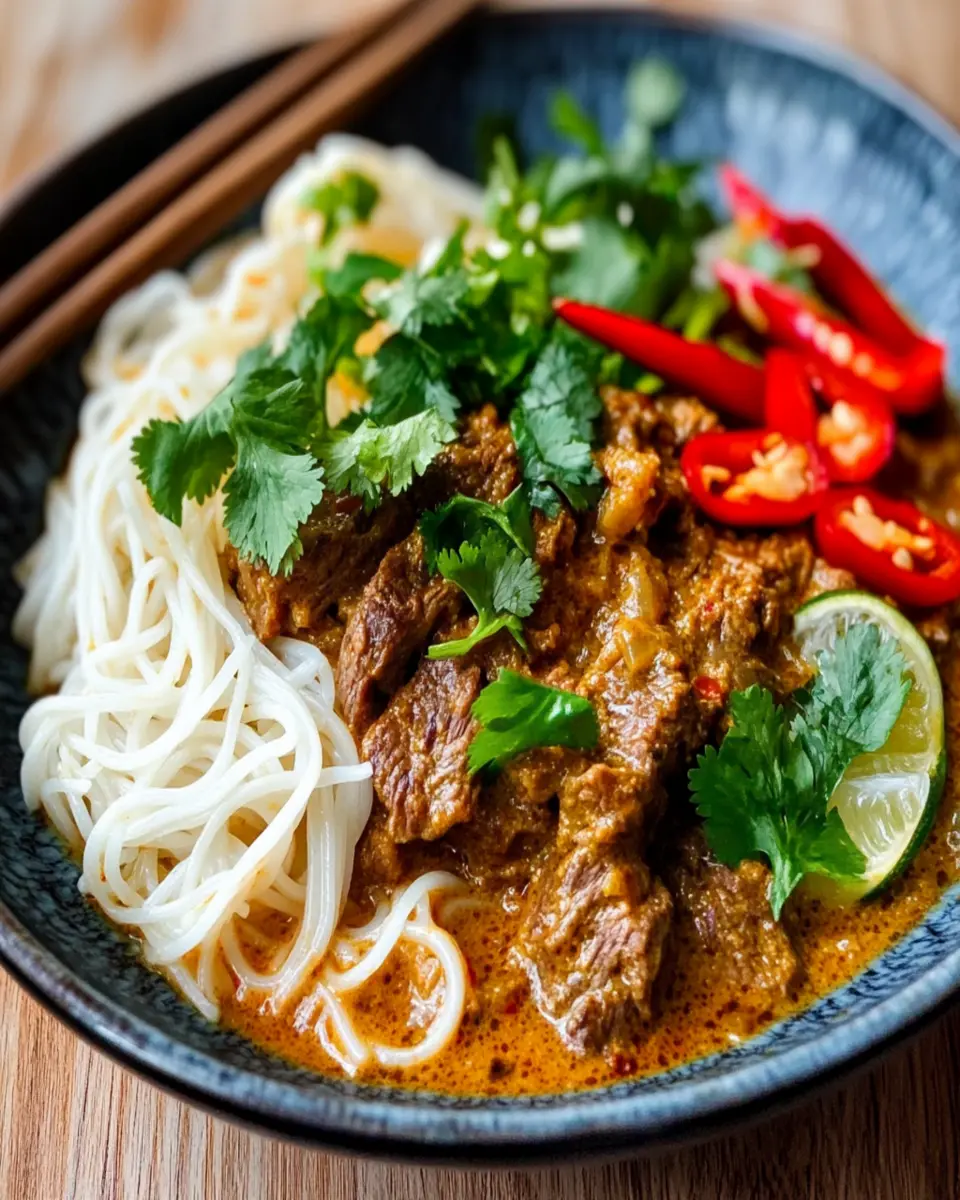
When serving, consider garnishing with fresh herbs like cilantro or mint for an added pop of freshness. Pairing the dish with a side of steamed vegetables can also enhance the nutritional value, making it a well-rounded meal.
By following these tips and notes, you’ll be well on your way to mastering a delicious Malaysian Rendang with Shirataki Noodles that you can proudly share with family and friends!
Serving Suggestions
When it comes to serving Malaysian Rendang with Shirataki Noodles, presentation and complementary sides can elevate your dining experience. This dish is rich and flavorful on its own, but pairing it with the right accompaniments can enhance the meal.
Garnishes for Flavor and Color
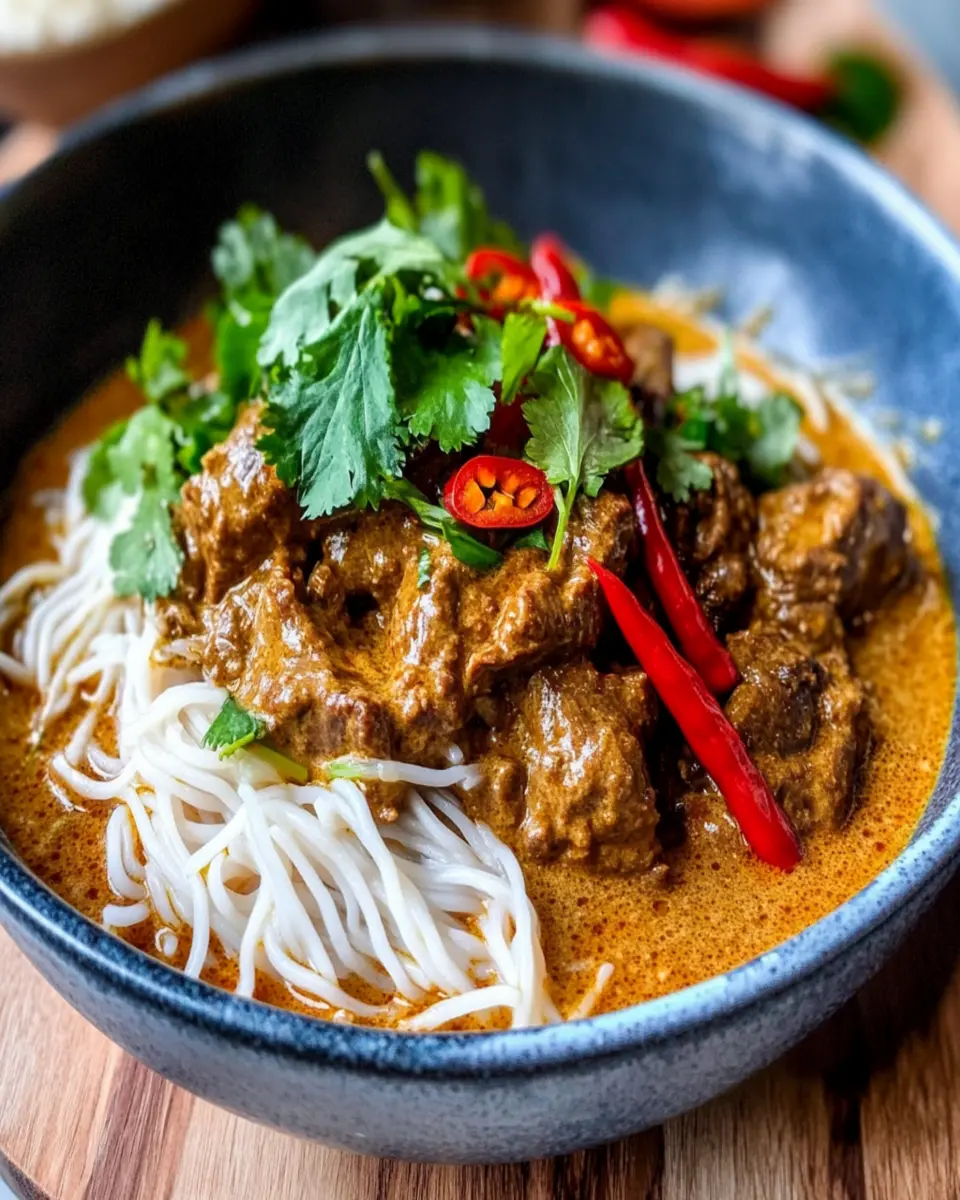
Consider garnishing your rendang with fresh cilantro or sliced red chilies. These not only add a pop of color but also introduce a fresh, aromatic element that contrasts beautifully with the rich, coconut-based sauce. A squeeze of lime can also brighten the dish, adding a refreshing zing that balances the flavors.
Side Dishes to Complement
For a complete meal, serve the rendang alongside a simple salad of cucumber and tomato dressed in a light vinaigrette. The crispness of the salad provides a delightful contrast to the tender beef and creamy sauce. Alternatively, a side of steamed or stir-fried vegetables can add nutritional value and color to your plate.
Enjoying Leftovers
If you have leftovers, they can be just as delicious the next day. The flavors tend to deepen overnight, making your Malaysian Rendang with Shirataki Noodles even more flavorful. Reheat gently, adding a splash of coconut milk if needed to maintain the sauce’s creaminess. Enjoy this dish as a cozy dinner or a satisfying lunch!
Time Breakdown
To prepare the delicious Malaysian Rendang with Shirataki Noodles, it’s essential to understand the time commitment involved. This recipe is perfect for those who enjoy a well-paced cooking experience that results in a flavorful meal.
Preparation Time
The preparation time is approximately 20 minutes. This includes chopping and measuring your ingredients, making it a quick start to your cooking adventure.
Cooking Time
The cooking time is where the magic happens, taking about 2 hours. This slow cooking allows the beef to tenderize and the flavors to meld beautifully, ensuring a rich and aromatic dish.
Total Time
Overall, the total time for this recipe is 2 hours and 20 minutes. It’s a small investment for a rewarding and hearty meal that you can share with family or friends, or enjoy over the week as leftovers.
Nutritional Facts
Understanding the nutritional profile of Malaysian Rendang with Shirataki Noodles can help you appreciate this dish even more. Each serving provides a balanced combination of protein, fats, and carbohydrates, making it a great option for those on a low-carb diet.
Nutritional Breakdown
Each bowl contains approximately 350 calories, with 30 grams of protein, providing a hearty and satisfying meal. The total fat content is around 25 grams, including 15 grams of saturated fat, which mainly comes from the rich coconut milk. This dish is also relatively low in carbohydrates, with only 12 grams per serving, including 4 grams of dietary fiber. The addition of Shirataki noodles enhances the low-carb aspect, making it suitable for various dietary preferences.
Health Benefits
This recipe is not only delicious but also nutritious. The beef provides essential nutrients such as iron and vitamin B12, while the lemongrass and kaffir lime leaves contribute antioxidants. Overall, Malaysian Rendang with Shirataki Noodles is a comforting dish that can help maintain a balanced diet without compromising on flavor.
FAQ based on ‘People Also Ask’ section
What is Malaysian Rendang?
Malaysian Rendang is a rich and flavorful dish made primarily with beef that is slow-cooked in coconut milk and a blend of aromatic spices. It originates from the Minangkabau ethnic group of Indonesia but has become popular across Malaysia and other regions.
How do you serve Shirataki noodles?
Shirataki noodles are typically prepared by rinsing them under cold water and then briefly boiling or stir-frying them. They serve as a low-carb alternative to traditional noodles, making them a great base for dishes like Malaysian Rendang. Simply serve the rendang over the cooked Shirataki noodles for a satisfying meal.
Can I make Malaysian Rendang vegetarian?
Yes, you can make a vegetarian version of Malaysian Rendang by substituting the beef with protein-rich alternatives such as tofu or tempeh. Use the same spices and cooking method to achieve a flavorful dish that still captures the essence of this traditional recipe.
Conclusion
In conclusion, Malaysian Rendang with Shirataki Noodles is not only a delightful dish but also a nutritious option for those looking to enjoy flavorful meals without the extra carbs. This recipe brings together tender beef, aromatic spices, and creamy coconut milk, creating a comforting experience perfect for any occasion.
Taking just over two hours to prepare and cook, it’s a manageable dish for busy young professionals who appreciate homemade food. Whether you’re serving it for dinner or meal prepping for the week, this recipe is sure to impress. Don’t forget to share your culinary creations with friends and family, and enjoy the burst of flavors that this dish has to offer!
Print
Malaysian Rendang with Shirataki Noodles
- Total Time: 2 hours 20 minutes
- Yield: 4 servings 1x
- Diet: Low-Carb
Description
A delicious and aromatic Malaysian Rendang served with Shirataki noodles for a low-carb option.
Ingredients
- 1 pound beef, cut into chunks
- 1 tablespoon cooking oil
- 1 cup coconut milk
- 2 stalks lemongrass, bruised
- 3 kaffir lime leaves
- 1 tablespoon tamarind paste
- 2 tablespoons sugar
- 1 tablespoon soy sauce
- 1 package Shirataki noodles
- 1 tablespoon chili paste
Instructions
- Heat oil in a pot over medium heat.
- Add beef and brown on all sides.
- Add lemongrass, kaffir lime leaves, and chili paste; stir for a few minutes.
- Pour in coconut milk, tamarind paste, sugar, and soy sauce; bring to a boil.
- Reduce heat and simmer for 1.5 to 2 hours until beef is tender.
- Prepare Shirataki noodles according to package instructions.
- Serve the Rendang over Shirataki noodles.
Notes
- For spiciness, adjust the chili paste according to taste.
- You can add vegetables like bell peppers for additional nutrition.
- Prep Time: 20 minutes
- Cook Time: 2 hours
- Category: Main Course
- Method: Simmering
- Cuisine: Malaysian
Nutrition
- Serving Size: 1 bowl
- Calories: 350
- Sugar: 5g
- Sodium: 600mg
- Fat: 25g
- Saturated Fat: 15g
- Unsaturated Fat: 5g
- Trans Fat: 0g
- Carbohydrates: 12g
- Fiber: 4g
- Protein: 30g
- Cholesterol: 70mg